Are We All Related If We Go Back Far Enough?
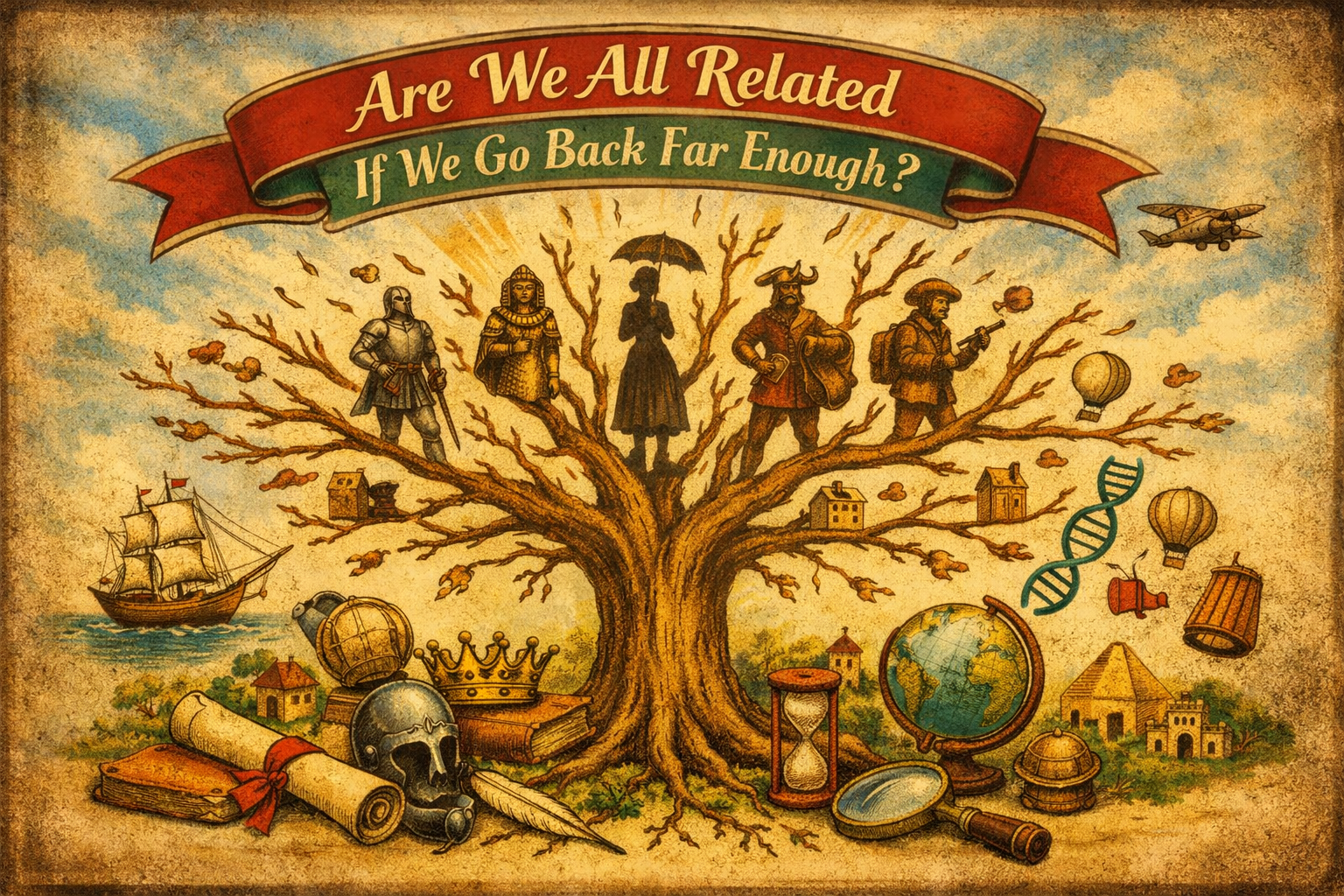
Could everyone alive today actually be connected if you trace your family tree far enough back? The surprising answer is yes and the story stretches from your recent ancestors to the very origins of life itself.
The Family Tree That Grows Like Crazy
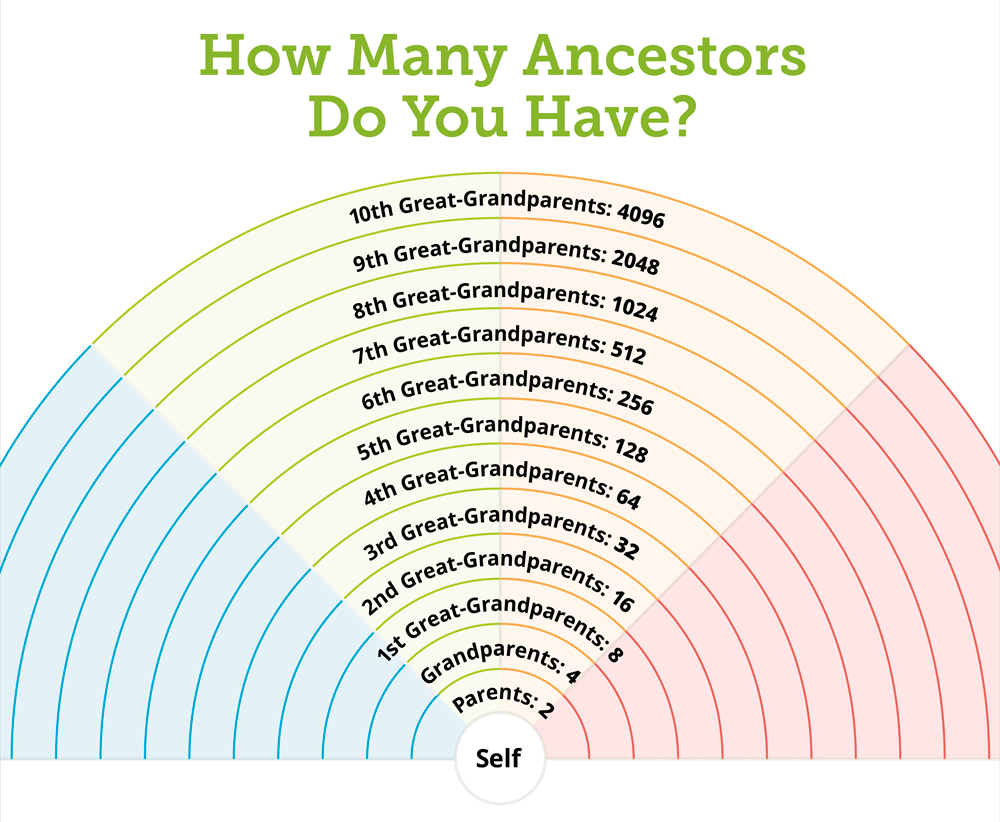
Every generation, the number of your direct ancestors doubles:
2 parents
4 grandparents
8 great-grandparents
16 great-great-grandparents
Over hundreds of years, this exponential growth can include millions of people. Because historical populations were small, the same ancestor often appears multiple times, meaning your family tree is full of overlapping branches.
Fun Fact
By the time you reach 25 generations back, your tree could theoretically include over 33 million ancestors!
Famous Ancestors You Might Share:
Even without getting into biblical or symbolic examples, history is full of people who are likely ancestors to millions today:
- King John of England (1166–1216): His descendants spread widely across Europe.
- Confucius (c. 5th century BCE): Many families in Asia trace lineages back to him.
- Charlemagne, AKA Charles the Great (c.742–814): Many historians believe most people with European ancestry today likely descend from him.
- Eleanor of Aquitaine (1122–1204):Her royal descendants connected many European dynasties through generations of marriage alliances.
- Robert the Bruce (1274–1329): His lineage continued through Scottish noble families and into wider European ancestry.
- Genghis Khan (c.1162–1227): Genetic studies suggest around 16 million men today share a Y-chromosome lineage from his dynasty.
- Niall of the Nine Hostages (legendary Irish king): DNA studies indicate millions of men with Irish ancestry may descend from his ruling dynasty.
- Sir William Marshal (c.1146–1219): One of England’s greatest medieval knights, whose descendants married into several noble houses.
- William the Conqueror (c.1028–1087): His descendants spread through Norman and English noble families after the conquest of England in 1066.
Over time, ancestry connects communities, regions, and even continents showing just how intertwined human history really is.
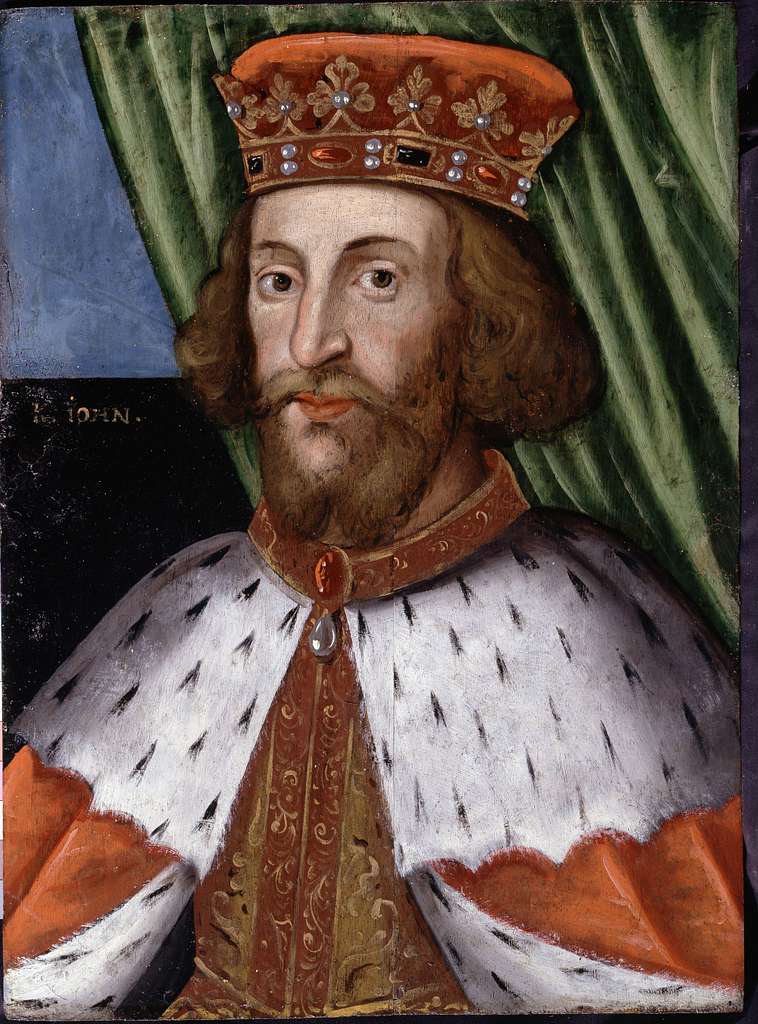 King John of England
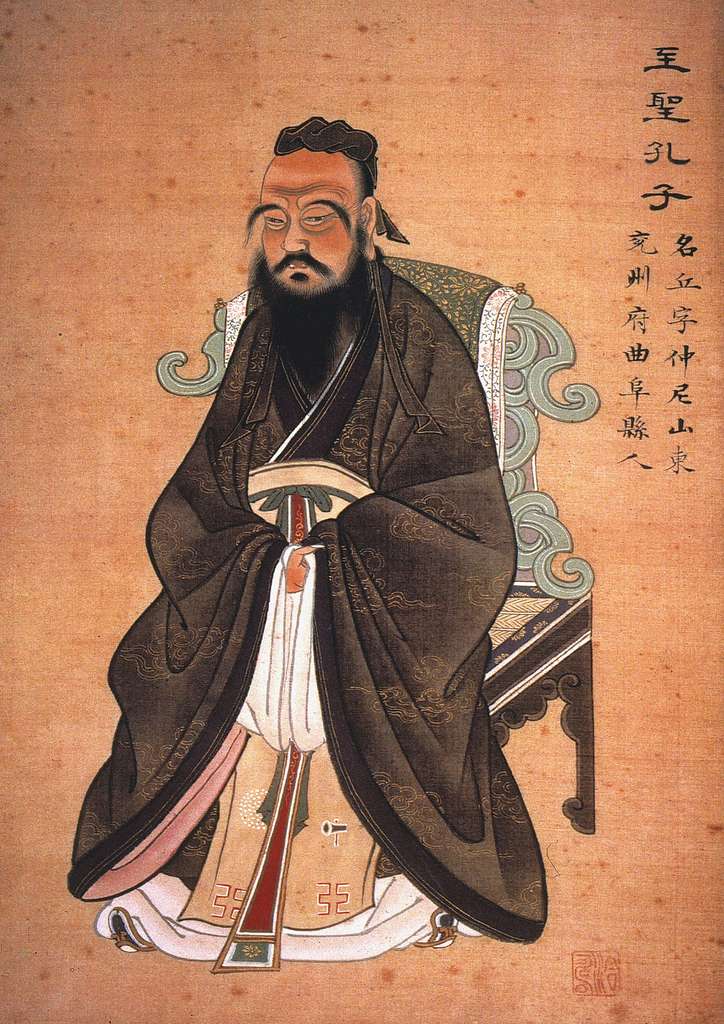 Confucius
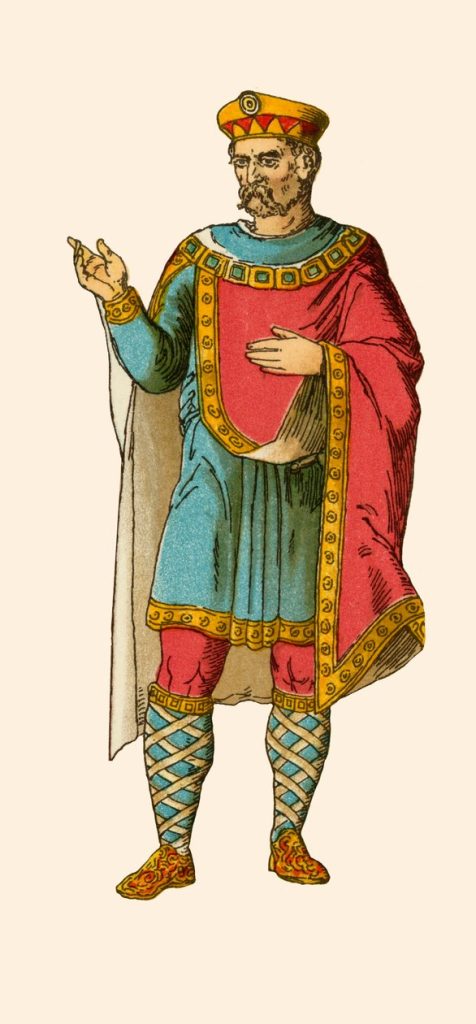 Charlemagne
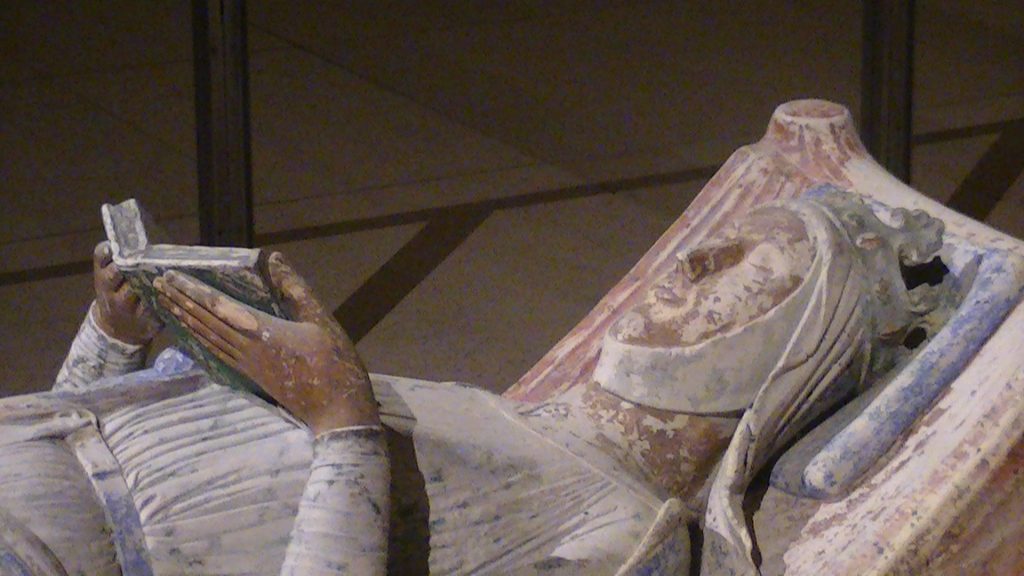 Eleanor of Aquitaine
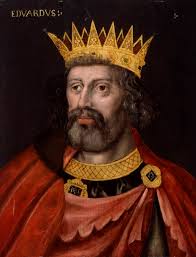 Robert the Bruce
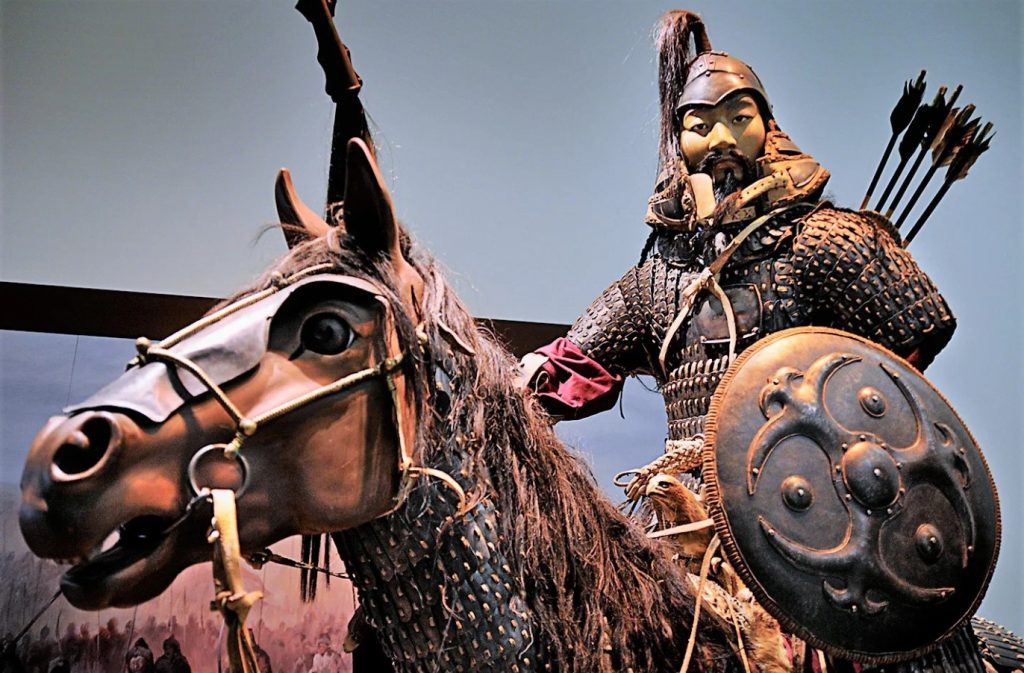 Genghis Khan
 Niall of the 9 Hostages
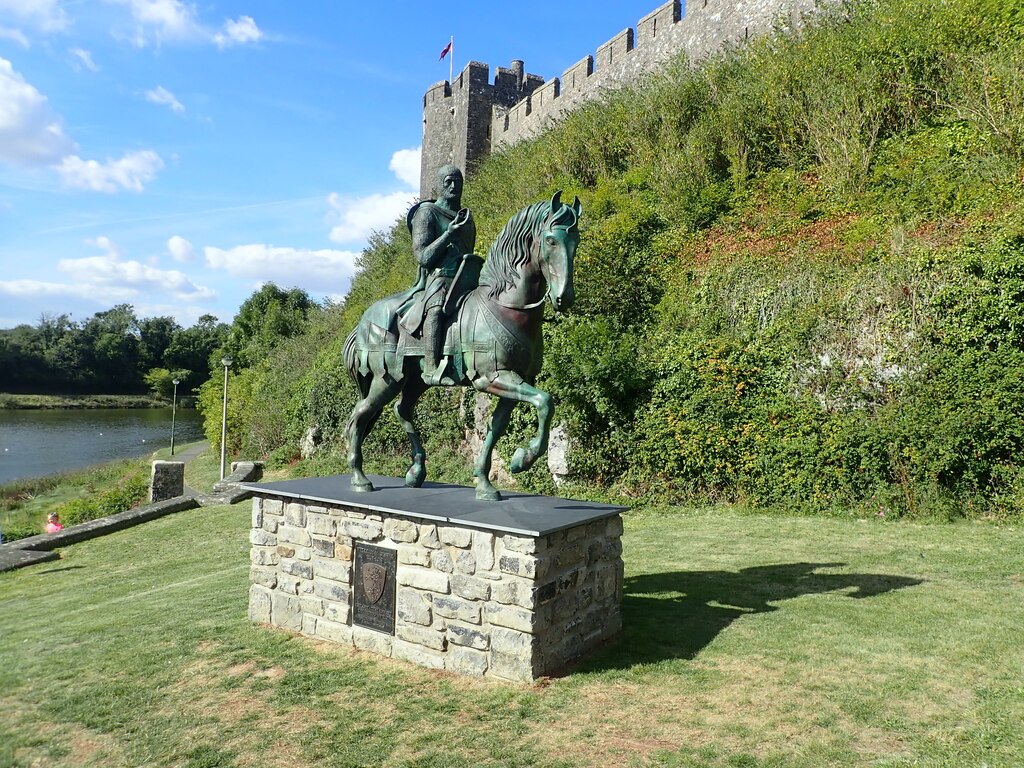 Sir William Marshal
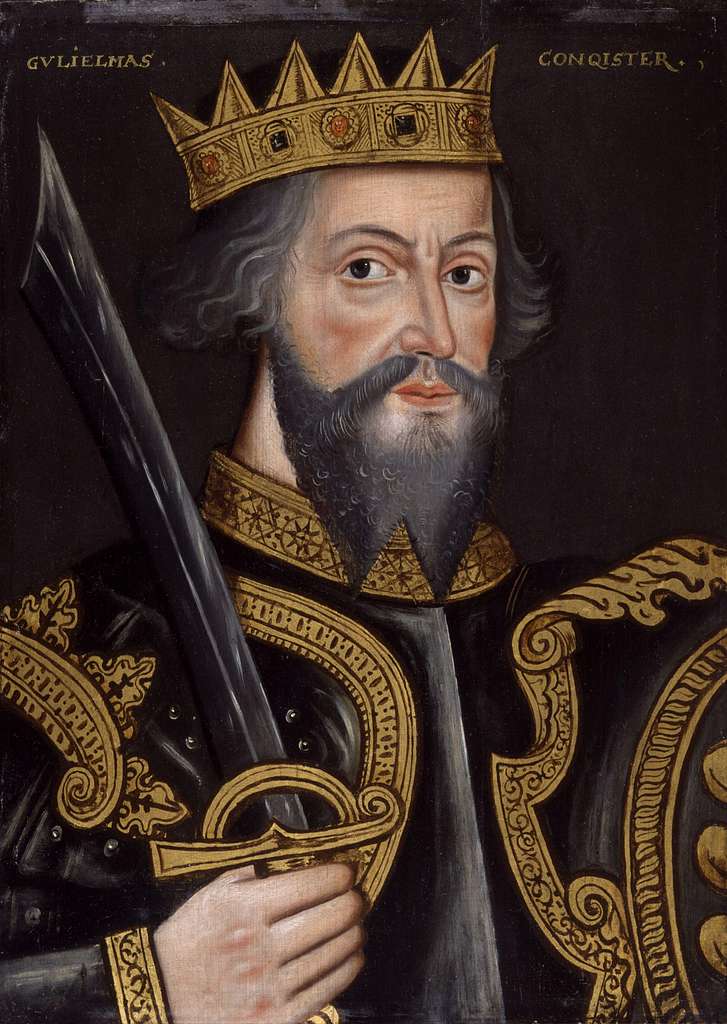 William the Conqueror
Modern Science Confirms It
Genetics proves what genealogy suggests: all humans are related. The Most Recent Common Ancestor (MRCA) is the person from whom every living human today descends. Surprisingly, models suggest this ancestor may have lived only a few thousand years ago — much more recently than you might think.
Humans are remarkably similar at the DNA level, with 99.9% of our genes identical across individuals. Migration, intermarriage, and population mixing have intertwined our lineages into a global web of connection.
Adam and Eve, but Not Exactly
Science also identifies two key figures in human genetic history:
- Mitochondrial Eve: the most recent common matrilineal ancestor, ~99,000–230,000 years ago
- Y-Chromosomal Adam: the most recent common patrilineal ancestor, ~120,000–156,000 years ago
Neither Eve nor Adam were the only people alive at the time, nor a single couple. They were simply the individuals whose specific, unique genetic lines persisted through chance and selection to the present day, while the lineages of their contemporaries eventually died out.
These genetic lines survive in everyone today, but only by chance making them remarkable witnesses of human history.
When Genealogy Meets Ancient Texts
Sometimes, tracing a family line takes you so far back that the only records are ancient texts. In my own research, I followed a line that eventually led to references only found in the Bible.
At this stage, genealogists rely on oral histories, manuscripts, and religious texts to reconstruct connections. While these sources can’t always be verified like modern records, they offer a glimpse into how humans have preserved ancestry across millennia.